Key PITARP programme focus Areas
1. Community Health and Wellbeing
Key Impact statement - By the end of 2035, PITARP will ensure
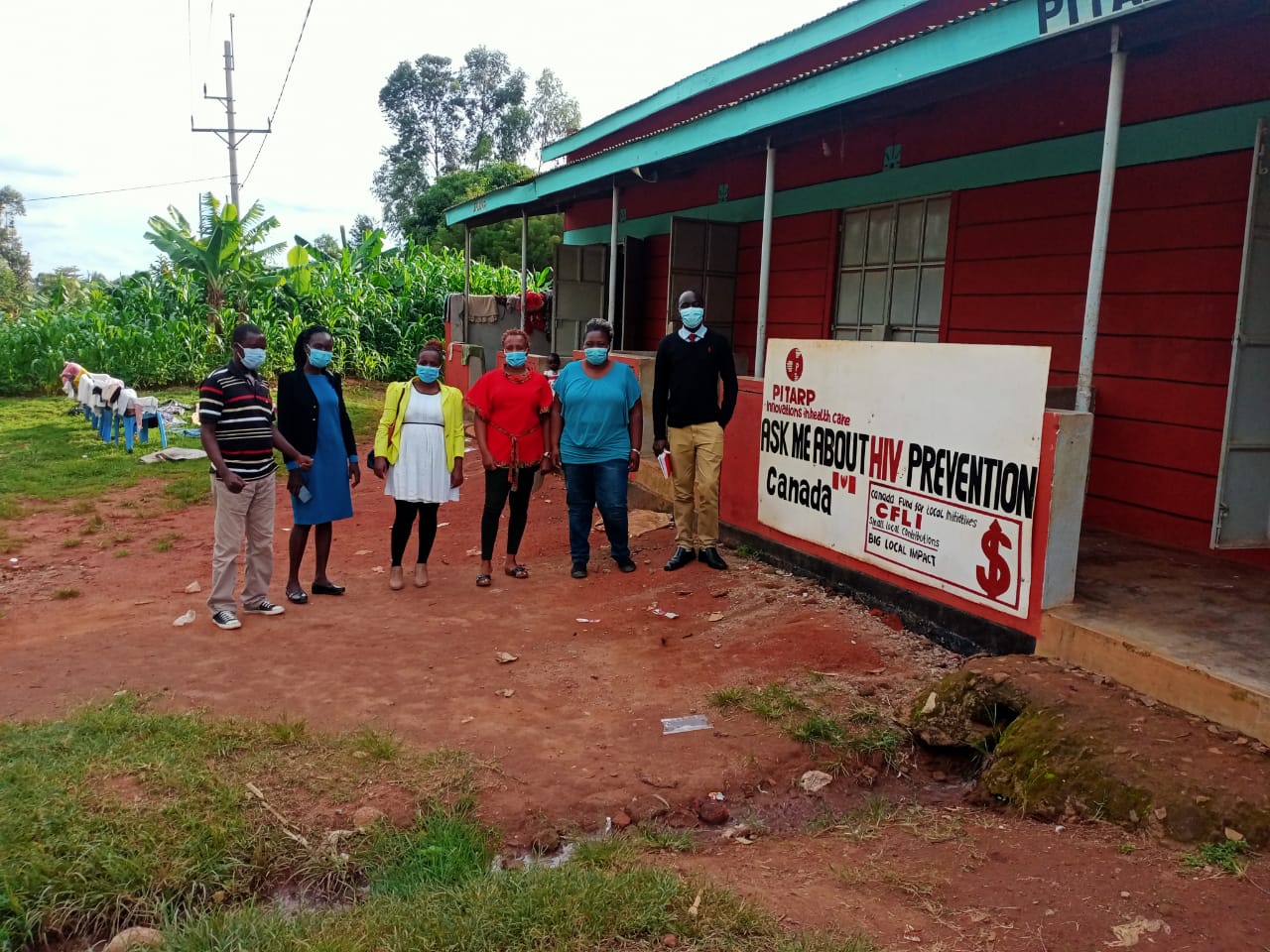
improved access to health care services for community members including HIV,
malaria and TB prevention services through education and the provision of basic
medication, nutrition education, integrated health services, HIV testing and
referrals to beneficiaries in collaboration with MOH.
Activities
· Provide
integrated HIV prevention and health related services at community
· Conduct HIV
testing and counselling services for key and priority populations
· Conduct
sensitizations for disease prevention specifically for Malaria, TB, and HIV
· Mental health
support and activities
2. Child Health & Wellbeing
Key Impact
statement - By the end of 2035, PITARP will ensure the engagement of community
members, government and partners to actively promote and protect the rights of
children; ensure the improved health, nutrition, hygiene, education, life
skills and psychosocial wellbeing of children
Activities
1.1 Child protection
1.2 Education
1.3. W.A.S.H
1.4. Child
counseling and wellbeing
1.5. Direct
Aid
3. Community Livelihood Initiatives
Agriculture and Nutrition
Key Impact Statement
- By the end of 2035, PITARP will ensure family members access regular
nutritious food, taking households, who previously lived in absolute food
poverty, into food security
Activities
·
Conducting
Nutrition awareness in the communities
· Administering
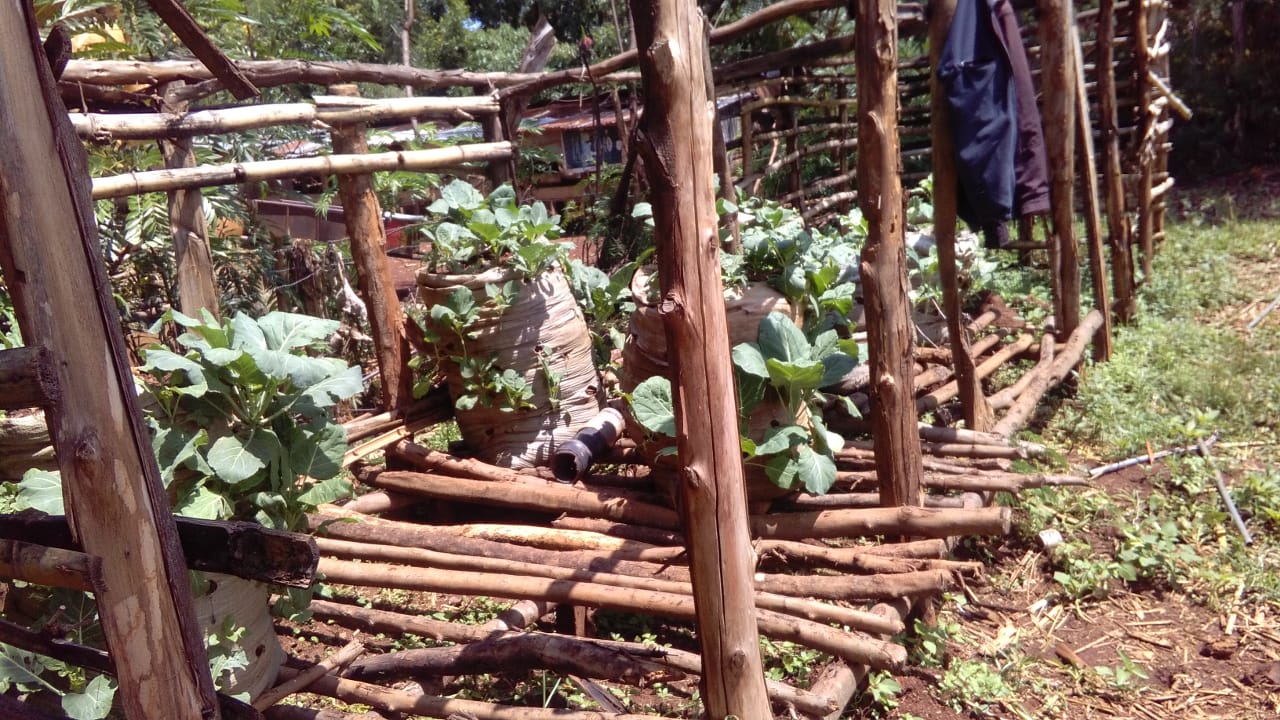
trainings in organic farming and other farming techniques (drip irrigation,
solar drying and preservation) to improve soil fertility and food crop
production
·
Promotion of
high value food crops, vegetables and fruits
· Promotion of
livestock rearing (dairy goats, poultry etc) to improve household nutrition
· Provision of startup seeds, tools and continuous technical advice through Mentoring system
Economic Empowerment
Key Impact
Statement - By the end of 2035 PITARP will ensure households shift out of
abject poverty through increasing their knowledge and skills on income
generating businesses, value addition and their monthly incomes
Activities
· Identify and
train registered groups on child protection.
· Identify
viable nutrition and health-based income generating activities i.e. poultry,
fish farming, liquid soap making, clean energy - making briquettes, fireless
cookers, rocket stove liners.
· Support
trainings on group dynamics, business skills, specific nutrition and health
based IGAs, project management, and resource mobilization including proposal
development.
· Provide
startup inputs (including machines, money, animals) and continuous technical
advice.
· Link groups to
existing microfinance institutions, government devolved funds and donor funds
for groups to access funds to expand their businesses and activities at group
and individual levels.
4. Research
PITARP
conducts rigorous, relevant research to benefit the targeted communities
regionally and nationally. Our research focuses on prevention and treatment of
HIV and associated co-morbidities including MDR-TB, HBV, STIs, and mental
health disorders. Other areas include health policy and systems research,
vaccine-preventable diseases, and emerging health issues like dementia. Key
players include research institutions like KEMRI.
Key research areas
· Infectious diseases: PITARP Research Unit focuses on infections like malaria, tuberculosis, and emerging infections, which are
relevant globally.
·
Antimicrobial Resistance
(AMR) and Stewardship: Research investigates the mechanisms of AMR,
healthcare-associated infections, and the development of interventions to
improve antibiotic use in hospitals and communities.
· Health policy and systems: The Health Strategy and Policy Institute conducts research
and provides evidence to support health policy-making. Studies also look at
health system responsiveness to specific populations, such as the Key populations (MSM, FSW, LGBTQ) and
priority populations (fisherfolks, AGYW and orphans and vulnerable children).
· Vaccine-preventable diseases: Working with
the County Ministry of Health to strengthen immunization programs
and research the elimination of diseases like hepatitis B and measles.