
PITARP (Promoting
Interventions Targeting At Risk Populations) is a national Non-Governmental Organization
working in Kenya with a mandate to advocate and implement policies and programs
that enable children, young people, women and communities to exercise choice,
access to services and participate fully in activities that promote their
health and well-being. PITARP is headquartered in Kakamega County and works in
the western region in Kenya with projects in Kakamega, Bungoma, Busia, Vihiga,
Siaya, Homa Bay and Migori Counties.
PITARP promotes service provision for the most pressing sexual and reproductive
health needs in the community; improves access to safe, affordable,
and sustainable services, in partnership with key stakeholders by building
coalitions for sustainable change and by designing innovative, evidence-based
interventions, and using these to influence policy. Over the last 6 years, PITARP has partnered with various organizations
to implement high-quality child focused programs, community health and
wellbeing, livelihoods and Governance programs. Through this collaboration and
experiences, PITARP has established robust and efficient systems for
programmatic and financial management of donor funding. The interventions are
implemented with a continuous engagement of stakeholders; The engagement
ensures delivering on promises, engaging in policy dialogues that are rooted in
research, scientific evidence and promoting positive change for outputs that
are locally and globally relevant in sexual reproductive health.
a) We are research driven: We have a profound understanding of the areas we
work through our baseline research. We identify the scope of need and create a
realistic and achievable program looking to leave behind communities with
sufficiently embedded and robust structures and systems that enable sustainable
futures.
b) We work alongside community, Government & Local partners: PITARP establishes
effective community structures and look to build key stakeholder partnerships.
We train and build upon the existing skills of local people and community
systems. PITARP works with over 100 community volunteers and County government sectors
and local partners in program implementation targeting children, youths and
women.
PITARP is an expanding network of community advocates working to ensure
an effective response to human rights among the vulnerable community groups
such as the youths, women including vulnerable women, people abled differently
(People With Disabilities - PWDs), and people living with HIV/AIDS(PLHIV).
Key impact statement: By the end
of 2035 we envision an improved access to community and county specific
advocacy campaigns to enhance access to justice for the
marginalized community members through budget preparation, County annual work
planning and lobbying project allocations to communities.
PITARP program supports democracy, rights, and governance.
Some activities here include:
Strengthening Public
Participation and Social Accountability Mechanisms:
Public Participation
Frameworks
·
Community Engagement Programs: Implement programs that educate and
engage communities on their role in governance and the importance of
participating in decision-making processes.
·
Participatory Budgeting: Promote
and facilitate participatory budgeting processes at the county level to involve
citizens in budgetary allocations and expenditure decisions.
·
Feedback Mechanisms: Develop
and maintain robust feedback mechanisms where citizens can voice concerns,
provide suggestions, and receive responses from county officials.
·
Civic education : sensitizing citizens to know the Kenyan constitution
Social Accountability Initiatives:
o
Transparency and Open Data: Advocate
for the adoption of open data policies at the county level to ensure transparency
in governance and public resource management.
o
Citizen Report Cards: Implement
citizen report card initiatives to gather feedback on the performance of county
services and projects, providing a basis for improvements.
o
Watchdog Groups: Support
the formation and capacity-building of local watchdog groups that monitor
county government activities and hold them accountable for service delivery.
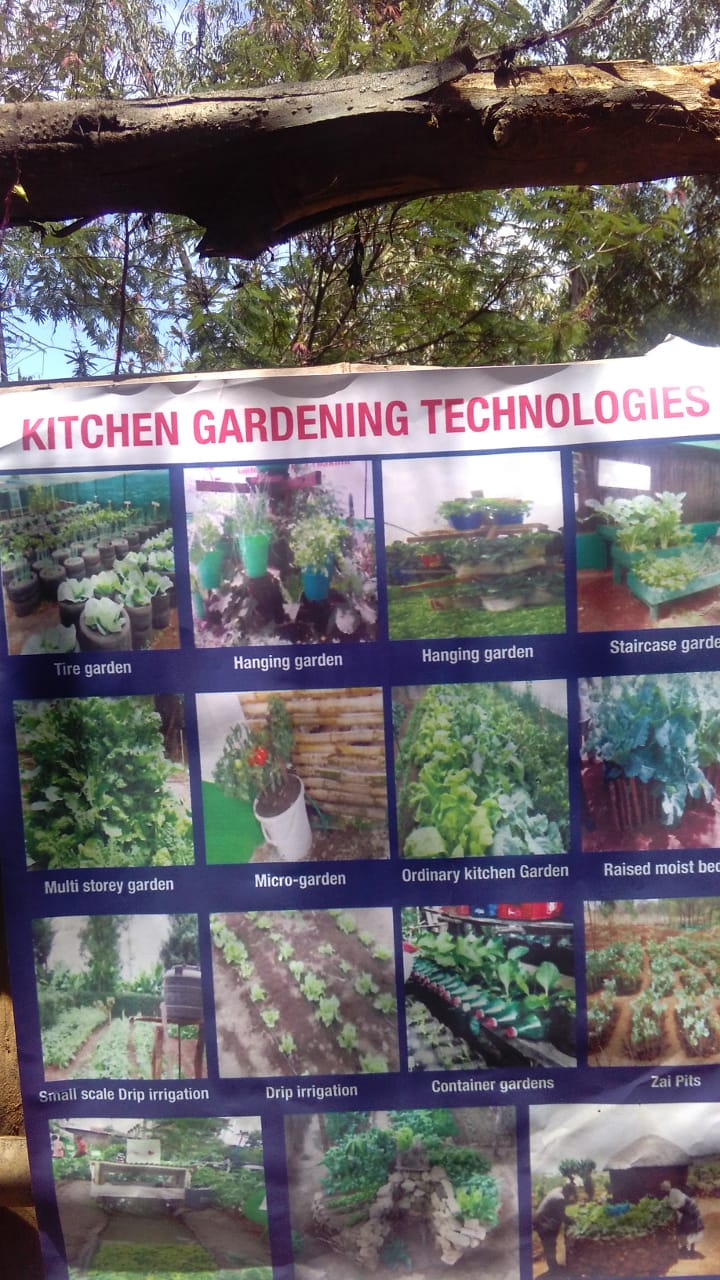
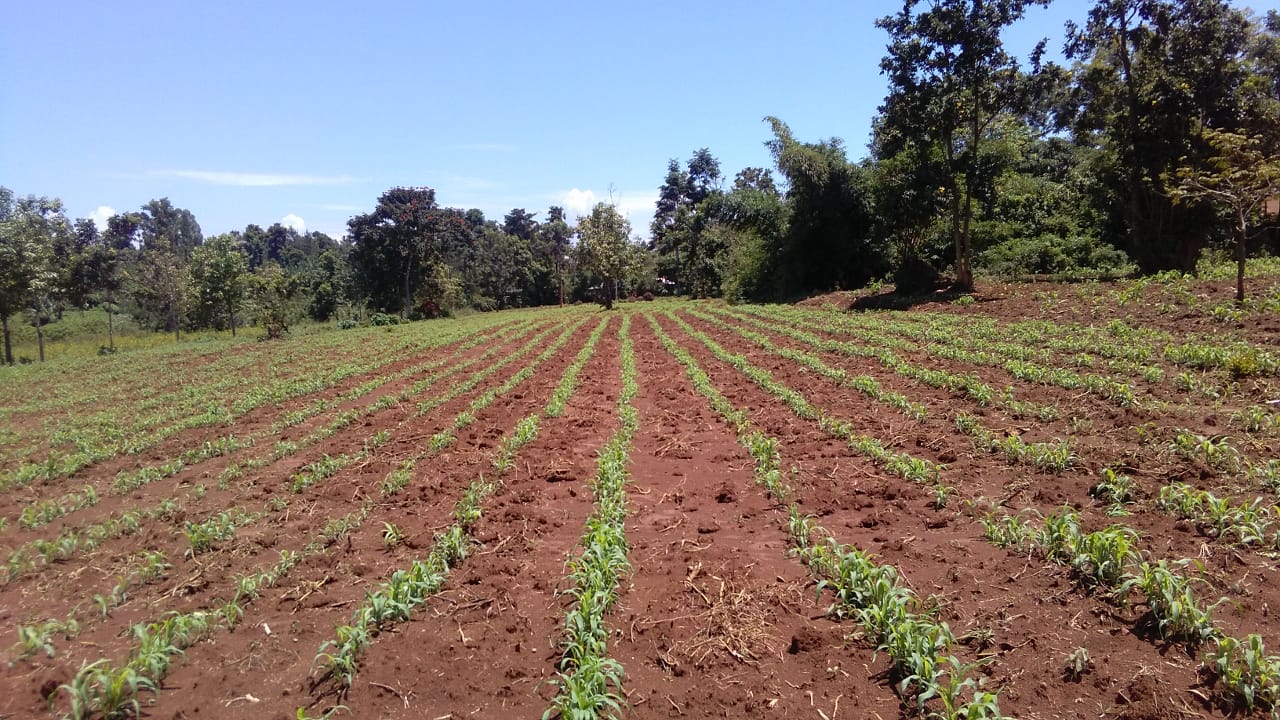
· 100 women trained in agriculture and nutrition and provided with seeds and tools
·
100
kitchen gardens established supporting over 1500 children and their families
with a variety of nutritious vegetables including kale, spinach, carrot and
nightshade
·
900
community members food secure (eating at least 3 nutritious meals a day)
·
300
group members trained on income generating activities enabling their household
members to rise above the poverty line (above $1.50 a day)
·
Improved access to better quality, more integrated HIV prevention, care
and treatment services in welcoming settings that protect the privacy of KPs.
·
Enhanced support from trained KPs who help fellow peers access HIV
testing and counseling and other health services, legal aid, mental health and
nutrition support and economic opportunities.
·
Increased number of health providers who understand and address KP needs
in a non-stigmatizing way.

challenges
Some key challenges that we face at PITARP include the following:
Since inception in 2018 we have had the
following funding:
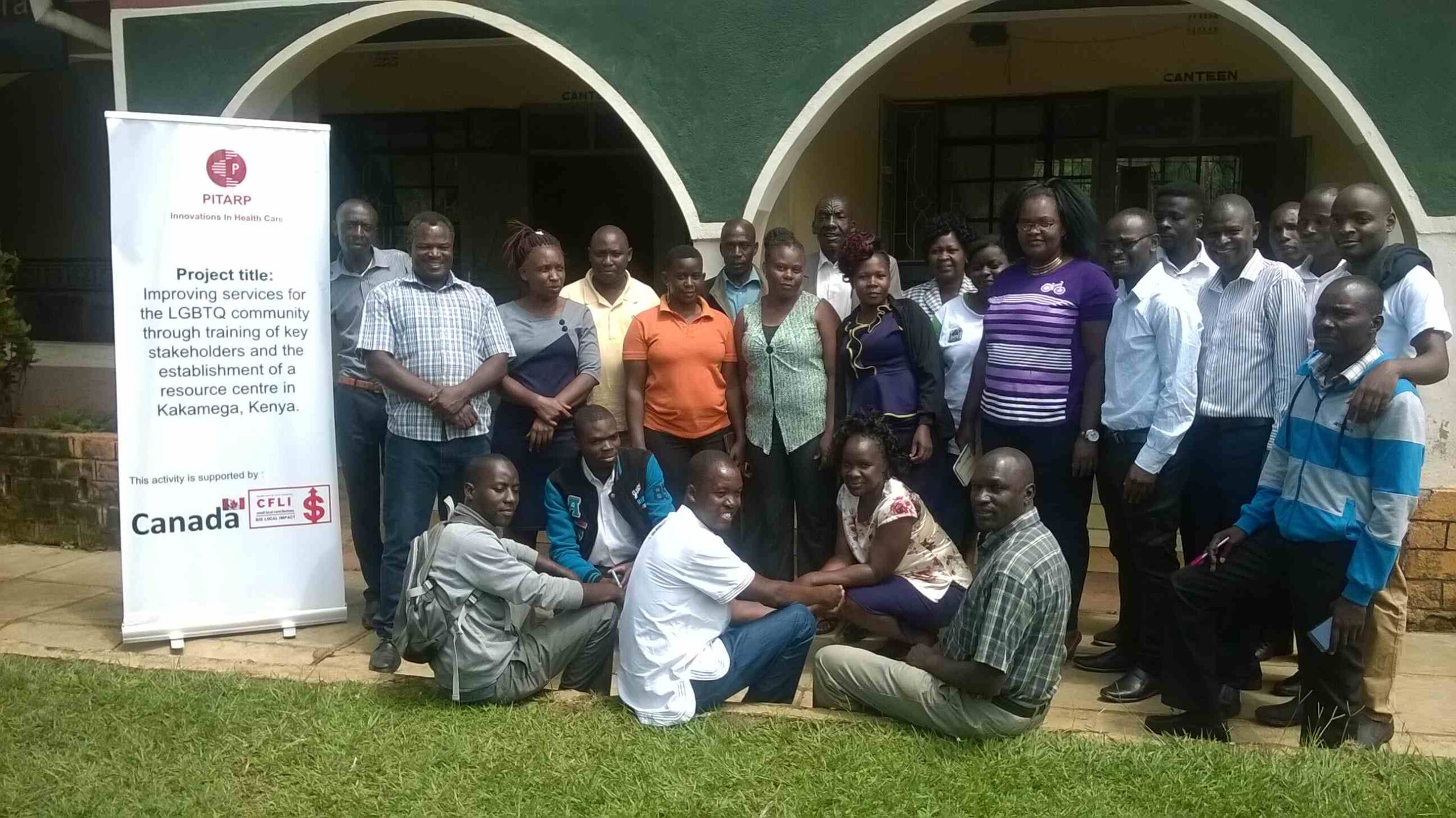
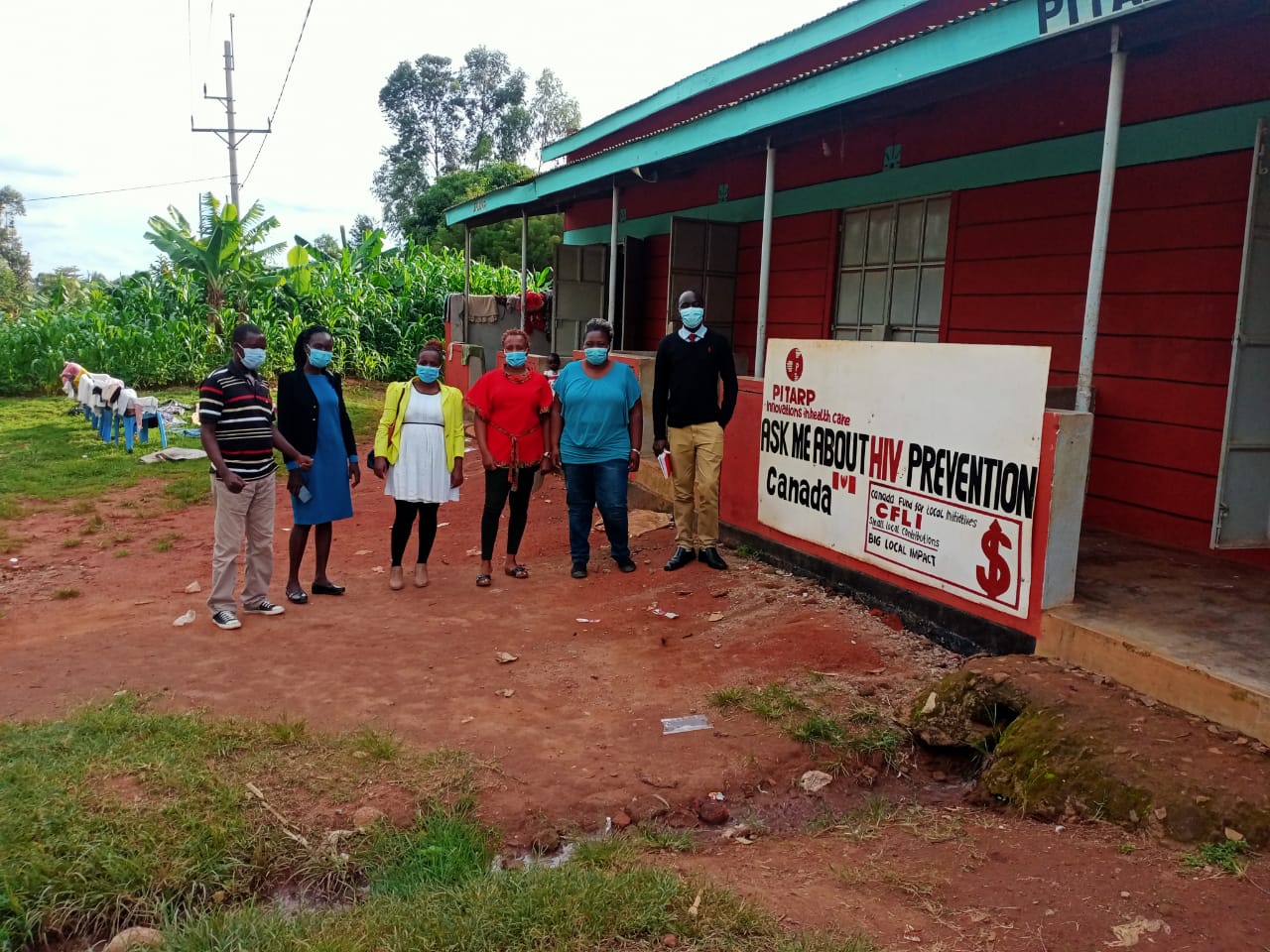
1. The Canada high Commission (August 2019 – March 2020) – Canada Fund for
local Initiatives (Funding for establishment of an LGBTQ resource centre in
Kakamega County and training of key stakeholders for promotion of KP friendly
services. – 18,000 USD
2. The USAID Afya Halisi: This was a 3 years program (Feb 2020 – Jan 2023)
We implemented RMNCAH in Kakamega County in Navakholo, Khwisero, Butere and
Matungu Sub Counties for 7 months on a re-imbursement basis; the project was
transitioned to a new partner USAID Afya Ugavi who came with partners to
support it ; - 14,000 USD.
3. Practical Action(Feb 2021 – Sept 2021) : This was an income generating
initiative aimed at capacity building and supporting vulnerable women on the
margins of society through making of rocket stove liners, briquettes and
fireless cookers implemented in Matungu Sub County; - 7,000 USD
4. The USAID Boresha Jamii : This was a 5 year project (Oct 2021 – Sept
2023) reaching 1426 MSM and 2599 FSW in Kakamega County - USD 321,540.3
5. The USAID Nuru ya Mtoto: This came about as a
result of donor transitions (USAID Boresha Jamii was dropped and Nuru yam toto
deployed). – USD 15200